
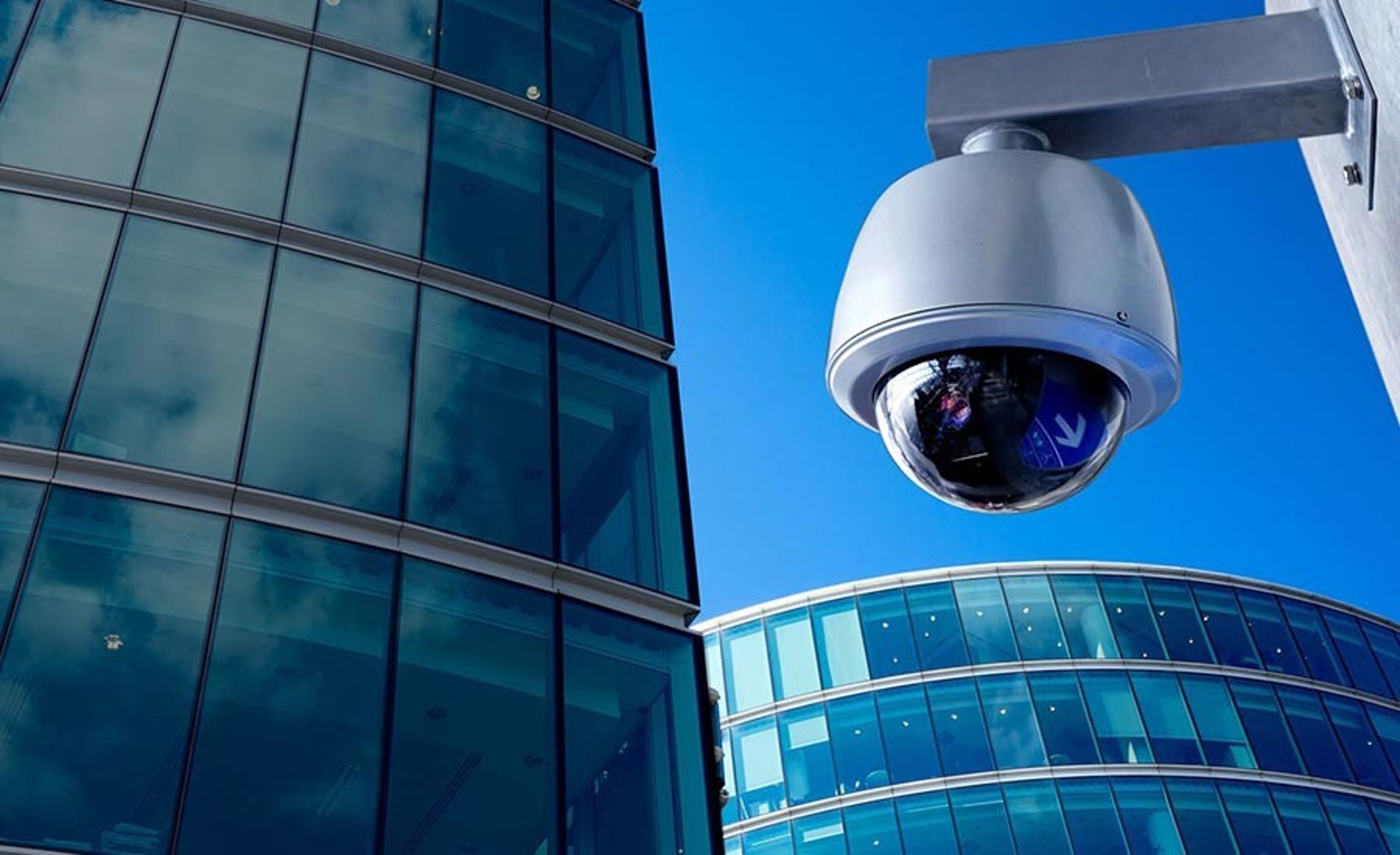
Your 101 Guide to Business Security Cameras
4/1/20262 min read
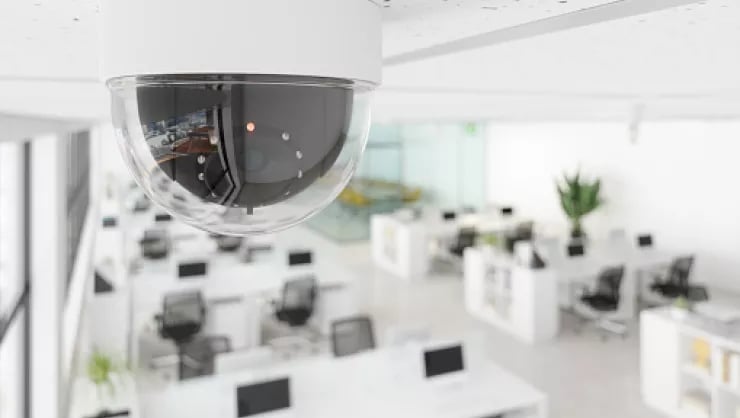
The events of recent years have prompted a security revolution. Upsurges in remote and hybrid work, publicized data breaches, and health concerns require organizations to think differently about how they protect their workforce.
This means accelerating innovation, sunsetting some solutions, and unifying separate systems.
Video surveillance will continue to be the crux of organizational security. However, optimal camera performance isn’t enough for end users like you. When you’re contemplating different solutions, you should ask:
Is this the right technology for our environment?
How easily can we add new features?
In addition to recording video for forensic review, how else can this system help us?
It’s hard to stay on top of security camera technology. Terms like these are more than buzzwords, though. They are examples of technology that deliver intel and capabilities that personnel can’t.
What is a security camera system?
It’s a system that provides surveillance capabilities to help protect people, assets, and systems, as per the Department of Homeland Security. It’s a security force multiplier, providing surveillance for a larger area than would be possible with security personnel alone. The system can integrate live and recorded video with security alarms for barriers, intrusion detection, and access control systems.
Technology typically includes:
Cameras
Monitors
Equipment for recording
What is the purpose of a security camera system?
You can deploy security cameras in many different settings, from medical environments to correctional facilities.
Business security cameras can:
Help catch crime and reduce risk inside and outside the organization
Maintain perimeter, building, and grounds security
Monitor traffic
Surveil areas that would be hazardous to humans, like areas with radioactive waste.
Provide valuable law enforcement evidence
Beyond capturing footage, a business security camera system is an asset to your overall organization. They preserve business continuity. For example, they can help you check if all your employees are where they need to be. People counting and/or occupancy monitoring is particularly important in the era of the coronavirus and hybrid offices. You can take care not to fill office spaces and specific areas beyond capacity.
Another way systems maintain the status quo is by minimizing the chance for supply chain disruption. Disruptions can cost organizations an average of $184 million a year, according to Security Magazine.
Thirdly, systems help organizations stave off or mitigate lawsuits, such as slip and fall or fraudulent damage claims. They provide evidence that you can use for confirmation or contestation in legal contexts. To navigate the complexities of installing surveillance cameras, start by making sure you comply with related state and local laws and make sure you’re working with an experienced video surveillance integrator.
TOPTEK NY offers professional installation in NJ & NYC
CCTV Support for
New York New Jersey and Connecticut
CONTACT US
Assist
info@toptekny.com
+(646) 494-5280
© 2026. All rights reserved.
> CCTV Installation
> Upgrade Consultation
> Business Security
> 24/7 Monitoring
> Access Control